Listen to the sound of structural integrity meeting aerodynamic resistance. When you drop a bundle of Curly Mafaldine into a roiling, salted vortex, you are not just cooking dinner; you are managing a complex architectural project. These long, flat ribbons with their ruffled, crenelated edges represent the pinnacle of pasta engineering. They are designed for maximum surface area and superior sauce retention. As the steam rises, the scent of toasted durum wheat fills the air, signaling the start of a high-stakes culinary audit. We are looking for that perfect al dente snap, where the central spine of the noodle remains firm while the delicate, wavy borders soften to a velvet finish. This is the Ruffled Perimeter Analysis. We are moving beyond basic boiling into the realm of fluid dynamics and emulsification. If your sauce is sliding off the noodle like rain off a glass pane, your infrastructure has failed. We are here to ensure that every piquant drop of ragu or viscous cream clings to those ridges with absolute tenacity.
THE DATA MATRIX
| Metric | Specification |
|---|---|
| Prep Time | 15 Minutes |
| Execution Time | 20 Minutes |
| Yield | 4 Standard Units (Servings) |
| Complexity | 6 / 10 |
| Estimated Cost per Serving | $4.50 USD |
THE GATHERS
Ingredient Protocol:
- 500g / 1.1 lbs Curly Mafaldine (Bronze-die extruded preferred)
- 60ml / 4 tbsp Extra Virgin Olive Oil
- 400g / 14 oz Italian Sausage (crumbled)
- 3g / 1 tsp Red Chili Flakes
- 4 cloves Garlic (microplaned)
- 120ml / 0.5 cup Dry White Wine (Pinot Grigio or Sauvignon Blanc)
- 250ml / 1 cup Heavy Cream
- 100g / 1 cup Pecorino Romano (finely grated)
- 30g / 0.25 cup Fresh Parsley (chiffonade)
- 15ml / 1 tbsp Lemon Zest
Section A: Ingredient Quality Audit:
The primary failure point in this assembly is the use of Teflon-extruded pasta. If your Curly Mafaldine looks shiny and smooth, it lacks the microscopic fissures required for sauce adhesion. To fix this, increase the starch concentration of your pasta water by using less liquid than usual. If your sausage is lean and fails to render sufficient fat, add a tablespoon of unsalted butter to the saucier to provide the necessary lipids for a stable emulsion. Finally, if your Pecorino is pre-shredded and coated in cellulose, it will clump instead of melting. Always grate cheese fresh using a microplane to ensure the surface area allows for immediate integration into the heat.
THE MASTERCLASS
1. Hydration and Starch Management
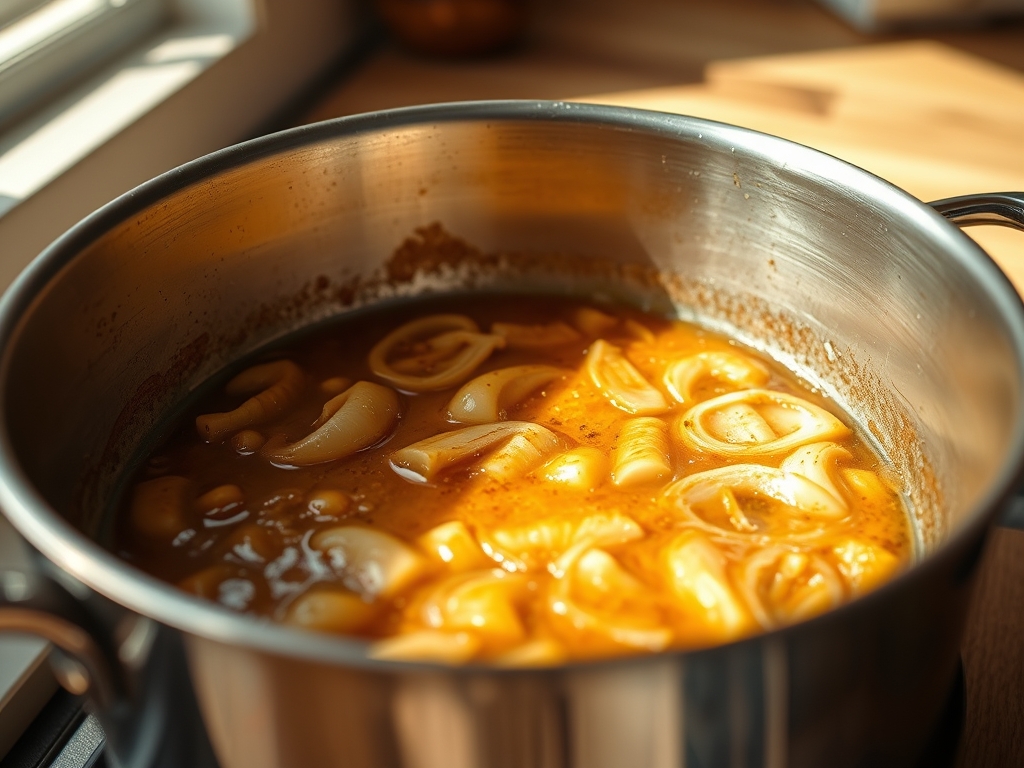
Begin by bringing 4 liters of water to a heavy boil. Use a digital scale to measure 40g of kosher salt. This is not just for seasoning; salt strengthens the gluten structure of the Curly Mafaldine. Submerge the ribbons and stir immediately with a long-handled pasta fork to prevent the ruffles from nesting together.
Pro Tip: Use a "low-water" boiling method to increase the concentration of amylose starch in the water. This liquid is your liquid gold; it acts as a molecular bridge between the fats in your sauce and the carbohydrates in the pasta.
2. Lipid Rendering and Maillard Optimization
Place your saucier over medium-high heat. Add the olive oil and crumbled sausage. Use a bench scraper or a stiff wooden spoon to break the meat into small, uniform pieces. You are looking for the Maillard reaction; a deep, golden-brown crust that indicates complex flavor development.
Pro Tip: Do not crowd the pan. If the meat steams instead of browns, the temperature has dropped too low. High heat is essential to render the fat out of the pork, which will later serve as the base for your emulsion.
3. Aromatics and Deglazing
Once the meat is browned, add the garlic and chili flakes. Sauté for exactly 45 seconds until fragrant but not scorched. Pour in the white wine to deglaze the pan. Scrape the bottom vigorously to release the fond (the caramelized bits), which contains the highest concentration of umami.
Pro Tip: Use a high-quality dry wine. The acidity in the wine breaks down the heavy fats and provides a necessary counterpoint to the upcoming cream addition, balancing the flavor profile.
4. The Emulsion Phase
Reduce the heat to medium and pour in the heavy cream. Allow the mixture to simmer and reduce by one-third until it becomes viscous. Meanwhile, extract 250ml of starchy pasta water just before draining the Mafaldine. Transfer the pasta directly into the sauce.
Pro Tip: This is where physics takes over. The ruffles on the Curly Mafaldine create turbulence in the sauce, helping to aerate and thicken the mixture as you toss it. The ridges act as physical traps for the sausage and cream.
5. Final Integration and Texture Audit
Turn off the heat. This is crucial; excessive heat will cause the cheese to break and become oily. Shower the Pecorino Romano over the pasta and toss violently. Add the pasta water in small increments until the sauce coats every ripple of the Mafaldine in a glossy, opaque sheen. Finish with lemon zest and parsley to infuse brightness.
Pro Tip: Use a pair of silicone-tipped tongs to lift the pasta as you toss. This introduces air into the sauce, creating a lighter, more luxurious mouthfeel without adding extra fat.
Section B: Prep & Timing Fault-Lines:
The most common human error is the "holding pattern" failure. If the pasta is finished before the sauce is ready, it will continue to hydrate and lose its structural integrity. Always time your sauce so it is waiting for the pasta, not the other way around. If the sauce becomes too thick or "tight," it is likely due to evaporation. Immediately introduce 30ml of warm pasta water to re-emulsify the lipids and restore the silkiness.
THE VISUAL SPECTRUM
Section C: Thermal & Visual Troubleshooting:
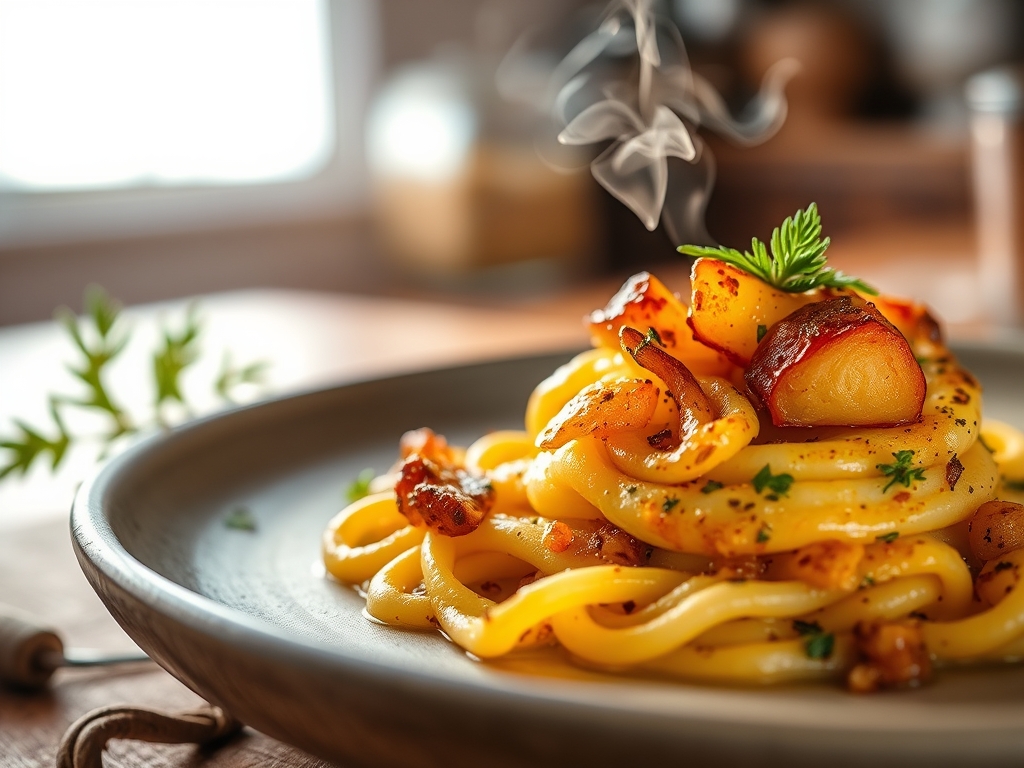
In the reference photo, notice the "Gloss Factor." The sauce should not look watery or curdled; it should have the sheen of polished satin. If your dish looks dull or matte, you have likely under-emulsified or the cheese was added while the pan was too hot. If the ruffles of the Curly Mafaldine appear translucent or "glassy" at the edges, they are overcooked and the structural perimeter has collapsed. To fix uneven browning in the meat, ensure the sausage is at room temperature before it hits the pan to prevent a sudden thermal drop in the saucier.
THE DEEP DIVE
Macro Nutrition Profile:
A standard serving provides approximately 650 calories, with 32g of fat, 65g of carbohydrates, and 28g of protein. The high fat content is balanced by the complex carbohydrates of the durum wheat, providing sustained energy release.
Dietary Swaps:
- Vegan: Replace sausage with blitzed mushrooms and walnuts; swap heavy cream for cashew cream and use nutritional yeast instead of Pecorino.
- Keto: This specific noodle architecture is difficult to replicate with low-carb alternatives, but "Palmini" ribbons can serve as a structural substitute.
- GF: Use brown rice or corn-based Mafaldine; be cautious as GF pastas release less starch, requiring a cornstarch slurry for sauce thickness.
Meal Prep & Reheating Science:
To maintain the molecular structure when reheating, avoid the microwave. The high-intensity waves cause the fats to separate from the starches. Instead, use a small skillet with two tablespoons of water or milk. Heat gently while stirring to re-constitute the emulsion and prevent the Curly Mafaldine from becoming brittle.
THE KITCHEN TABLE
Why does my sauce always pool at the bottom of the bowl?
This indicates a failed emulsion. You likely skipped the starchy pasta water or added the cheese while the heat was too high. The starch acts as a stabilizer that binds the water and fat together, ensuring the sauce sticks to the ruffles.
Can I use pre-grated Parmesan instead of Pecorino?
Avoid it. Pre-grated cheeses are coated in anti-caking agents like potato starch or cellulose. These additives prevent the cheese from melting smoothly into the sauce, resulting in a gritty, sandy texture that ruins the Curly Mafaldine's mouthfeel.
What if I cannot find Curly Mafaldine at my local store?
While the Ruffled Perimeter Analysis is specific to this shape, you can substitute with Pappardelle or Tripoline. However, you will lose the specific "sauce-trap" capability provided by the Mafaldine's unique double-edged ruffles.
Is it necessary to salt the pasta water so heavily?
Yes. The salt seasons the noodle from the inside out. Without it, the pasta will taste flat, regardless of how flavorful the sauce is. It also helps regulate starch gelatinization, keeping the ridges of your Mafaldine crisp and defined.