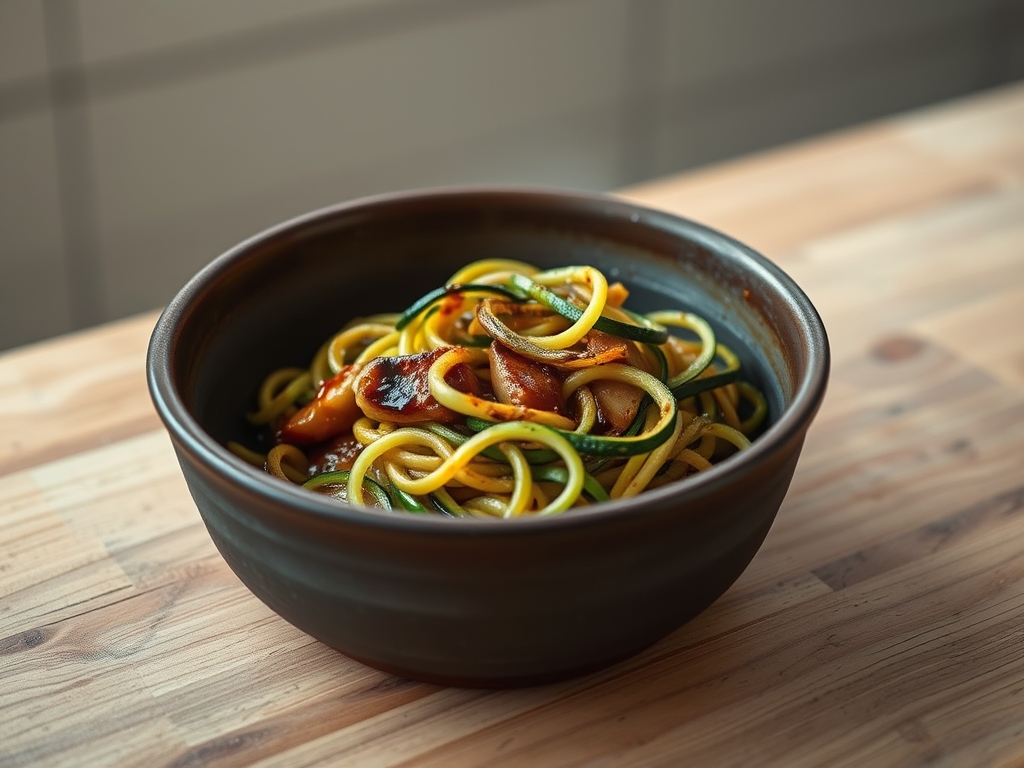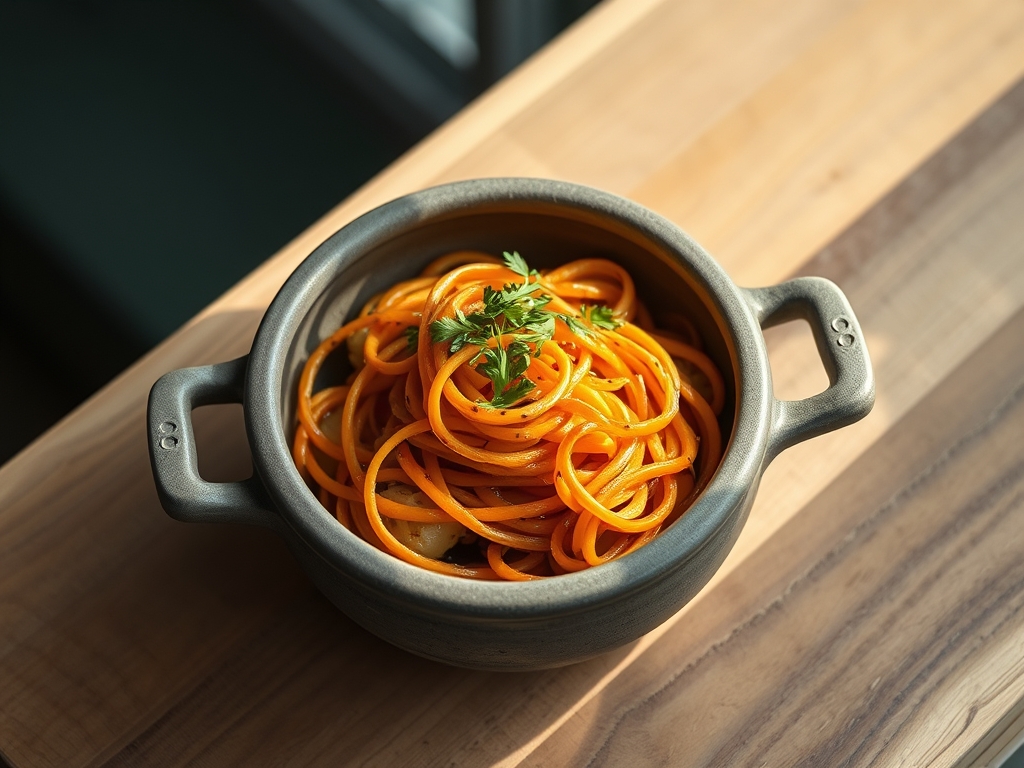
Welcome to the high stakes theater of the deep fryer; where geometry meets gastronomy in a violent collision of bubbling lipids and starch. We are not here to discuss the humble, linear shoestring or the pedestrian steak fry. Those are two dimensional relics of a bygone era. Today, we conduct a comprehensive Curly Fries Audit to analyze the helical tuber; a structural marvel engineered for maximum surface area and optimal seasoning retention. When you bite into a perfectly executed spiral, you are experiencing the structural integrity of a spring loaded flavor delivery system. The crunch must be seismic. The interior must be a cloud of ethereal starch. Anything less is a failure of culinary infrastructure. This audit demands precision, high heat, and a total commitment to the Maillard reaction. We are transforming the lowly Russet into a golden, spring-loaded masterpiece through rigorous thermal application and chemical seasoning barriers. Strap in; your kitchen is about to become a laboratory of high velocity carbohydrate engineering.
THE DATA MATRIX
| Metric | Specification |
|---|---|
| Prep Time | 25 mins |
| Execution Time | 15 mins |
| Yield | 4 Servings |
| Complexity | 7/10 |
| Estimated Cost per Serving | $1.15 |
THE GATHERS
Ingredient Protocol:
- 4 Large Russet Potatoes (approx. 900g / 2 lbs)
- 125g / 1 cup All-Purpose Flour
- 15g / 1 tbsp Garlic Powder
- 15g / 1 tbsp Onion Powder
- 10g / 2 tsp Smoked Paprika
- 5g / 1 tsp Cayenne Pepper (for a piquant finish)
- 10g / 2 tsp Fine Sea Salt
- 240ml / 1 cup Sparkling Water (chilled)
- 2 Liters / 2.1 Quarts Neutral Oil (Grapeseed or Peanut)
Section A: Ingredient Quality Audit:
The primary failure point in most tuber operations is the moisture content of the raw material. If your potatoes feel soft or exhibit green tinting, the starch has begun to convert to sugar; this results in a limp, greasy product that burns before it crisps. Fix: Use high starch Russets and store them in a dark, cool environment. If your batter is too viscous, it will create a bready cloak that hides the spiral. Fix: Gradually infuse the dry mix with chilled sparkling water until it reaches the consistency of heavy cream. The carbonation serves to aerate the coating, creating micro-bubbles that shatter upon impact with the teeth.
THE MASTERCLASS
1. Helical Extraction
Utilize a professional grade spiralizer equipped with a medium shredding blade. Secure the potato against the vacuum seal and rotate with consistent torque to ensure uniform thickness. Uniformity is the backbone of thermal consistency.
Pro Tip: Use a digital scale to weigh your yield. Consistent mass ensures that your seasoning ratios remain mathematically perfect across multiple batches.
2. The Cold Water Purge
Submerge the spirals in an ice water bath for 20 minutes. This process removes excess surface starch which would otherwise cause the fries to stick together in a gummy mass.
Pro Tip: Agitate the water vigorously. This mechanical action helps render the surface clean, allowing for a more aggressive crunch once the batter is applied.
3. Surface Dehydration
Drain the potatoes and pat them dry using lint free kitchen towels. Any residual surface moisture will turn to steam under the batter, preventing the coating from adhering to the tuber.
Pro Tip: Use a bench scraper to move large quantities of fries without bruising the delicate helical structures.
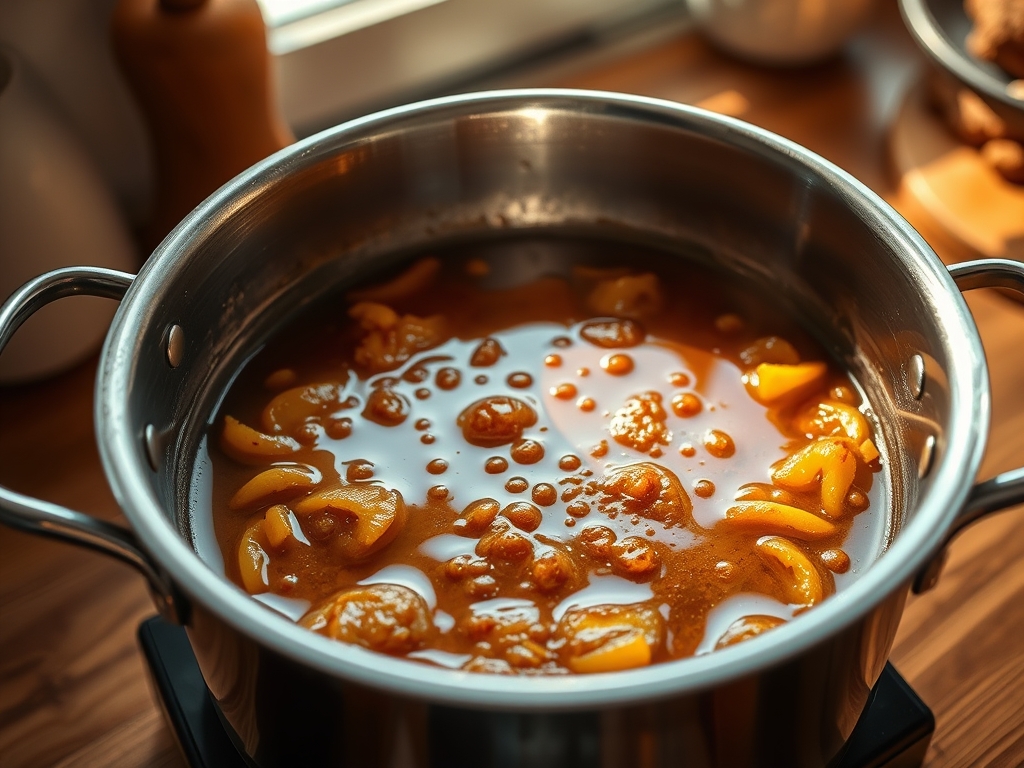
4. The Batter Emulsification
Whisk the flour, spices, and sparkling water in a stainless steel saucier. The rounded bottom of the pan ensures no dry pockets remain. The goal is a thin, translucent coating that clings to every curve.
Pro Tip: Keep the batter chilled. The temperature differential between the cold batter and the hot oil creates a localized steam explosion that puffs the coating away from the potato for maximum lightness.
5. Thermal Execution
Heat the oil to 190C / 375F. Fry in small batches to prevent the oil temperature from crashing. Fry until the spirals reach a deep, burnished copper hue.
Pro Tip: Use an infrared thermometer to monitor the oil. Precision is the only way to avoid the oil-logged texture associated with amateur frying.
Section B: Prep & Timing Fault-Lines:
The most common human error is "crowding the basket." When too many cold tubers enter the hot oil, the temperature drops below the threshold of the Maillard reaction. Instead of searing, the potatoes begin to boil in the oil, leading to a saturated, flaccid result. Another timing error is the "holding phase." Never stack hot fries; the rising steam from the bottom layer will hydrate the top layer, destroying the structural integrity you worked so hard to build. Use a wire cooling rack to allow for 360 degree airflow.
THE VISUAL SPECTRUM
Section C: Thermal & Visual Troubleshooting:
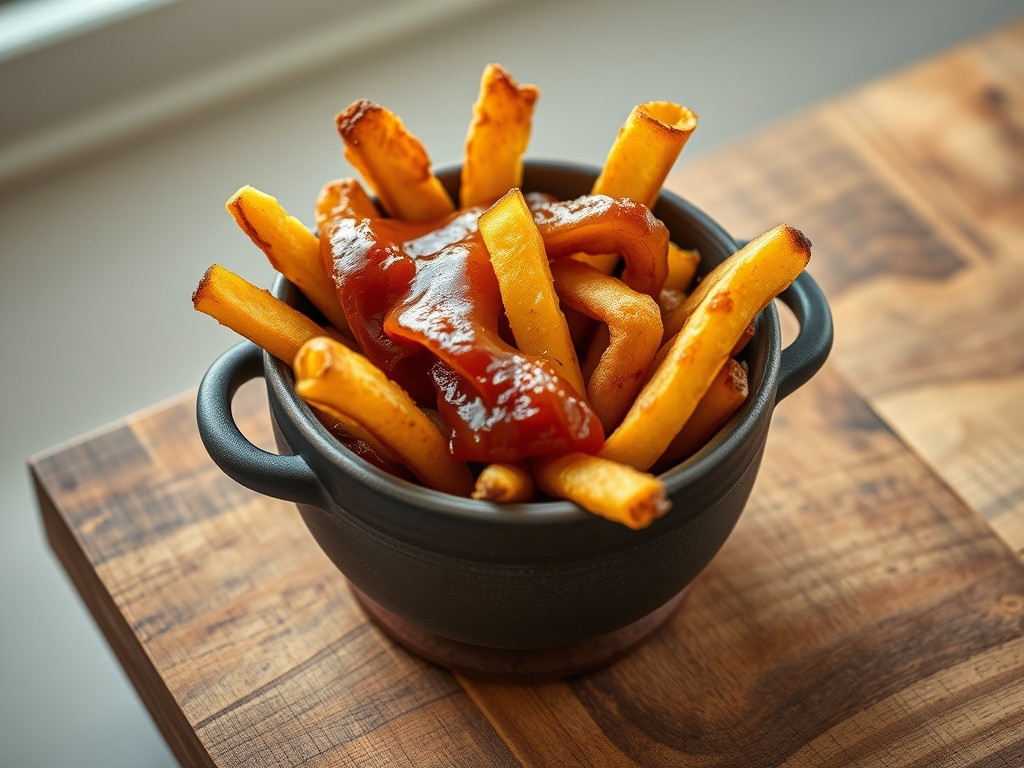
Look at the Masterclass photo above. Notice the "shatter-crisp" edges and the vibrant, orange-red hue provided by the paprika. If your fries appear pale and translucent, you have under-cooked them or failed to maintain oil temperature. If the seasoning looks blotchy, your batter was not properly emulsified. A perfect curly fry should hold its "spring" shape when lifted with tongs. If it sags, the internal moisture has not been sufficiently evacuated. Dull colors often indicate stale spices; ensure your paprika and cayenne are fresh to maintain that high-impact visual profile.
THE DEEP DIVE
Macro Nutrition Profile
A standard serving of these helical wonders contains approximately 350 calories, 18g of fat, 42g of carbohydrates, and 4g of protein. While they are a high energy fuel source, the high surface area means they carry more seasoning and flavor per gram than a standard fry.
Dietary Swaps
- Vegan: The standard recipe is naturally vegan.
- Gluten-Free: Swap the all-purpose flour for a 1:1 ratio of rice flour and cornstarch. This actually increases the "shatter" factor of the crust.
- Keto: This is a structural challenge. Substitute potatoes with spiralized daikon radish, though the starch content will be significantly lower, requiring a longer fry time to achieve rigidity.
Meal Prep & Reheating Science
To maintain the molecular structure when reheating, avoid the microwave at all costs; it vibrates water molecules, turning the starch into a soggy sponge. Use an air fryer or a convection oven at 200C / 400F for 4 minutes. This flash heats the exterior fats and re-crisps the batter without overcooking the interior.
THE KITCHEN TABLE
Why are my fries soggy after five minutes?
Steam is the enemy. If you pile fries in a bowl, the trapped heat turns back into moisture. Use a wide, ventilated rack to keep the air moving and the starch dry.
Can I bake these instead of frying?
You can, but the "helical structural integrity" will suffer. To bake, toss the spirals in oil and cornstarch first, then spread them in a single layer at 220C / 425F.
What is the best oil for this audit?
Peanut oil is the gold standard due to its high smoke point and neutral flavor profile. If allergies are a concern, grapeseed oil provides a similarly clean finish.
How do I get the perfect spiral shape?
The secret is the "continuous crank." Do not stop mid-potato or you will create "fracture points" where the fry will break during the frying process. Consistency is key.